
Choosing the perfect rug

How to select the perfect rug
Selecting the perfect rug for any space is hard. Let's not skim over the fact that rugs are an investment — they're expensive, and if you get it wrong it can throw out the entire feel of a room. No buyer's remorse here at norsu, please. That's why we're sharing the key factors we come back to every single time we choose one.
Every rug we sell is drawn to its real dimensions, so you can compare a 2 × 3 against a 3 × 4 in one of our rooms — or upload a photo of your own and see it on your floor. It settles the size question in about two minutes.
See rugs in your room
Size matters. There's nothing worse than a small rug — it can actually make a room feel smaller than it really is. One of our personal pet hates is a rug left floating in the middle of a room: what's the purpose of that, and can you even rest your feet on it from the couch? When in doubt, always size up.
Here are some diagrams to help you out — the recommended layouts for each space, plus the floating-rug mistake to avoid.
A couple of quick rules for living spaces: make sure the rug is longer than your sofa, and that every main piece of furniture (your entertainment unit aside) has at least one leg sitting on the rug. This makes a room feel grounded and homely, and helps to zone the space. As it's a high-traffic area, choose a durable material too (more on that below).
In the bedroom, run the rug lengthways under the bed with enough showing on both sides and at the foot, so your feet land on something warm and soft.
For dining, choose a rug large enough that chairs stay on it when pulled out — allow a minimum of 60–70cm of rug beyond the table on every side — in a tight weave that won't catch the legs, and a forgiving, textured colour that hides the crumbs.
There are so many aspects to weigh up when choosing rug material — no wonder it feels overwhelming. Start with durability and longevity. Do you have a pet? Little people? A space that takes a lot of foot traffic? Or is this for a bedroom, where you can reach for something softer and more cosy underfoot?
Once you know how the rug will be used, think about construction — the weave or pile. A durable, tight weave won't catch on little claws, and plenty of texture hides a multitude of crumbs and everyday dirt. Then consider what the rug is actually made of. We're not fabric snobs (well, perhaps a little) — synthetics and polyesters are easy to clean — but we love the Armadillo and Baya ranges because they're made of sustainable natural fibres from renewable sources: warm and cosy in the cooler months, and that little bit kinder to the environment.
Don't be put off by natural fibres like wool when it comes to cleaning. They're more delicate, but spot cleaning usually does the trick — just act fast on any spill. Under the dining table, go for a tight weave; jute is a great alternative to wool as it won't absorb spills the same way, so you can simply wipe it down.
This is the fool-proof tip you'll have heard us share a thousand times. If you're struggling to land on the right colour, choose a rug with multiple thread colours running through it. The Sherpa we chose, for instance, has a cool grey, an off-white and even a fine thread of charcoal — so it worked beautifully with our old lighter-grey sofa, and didn't need replacing when we moved to a warmer-toned couch. A single flat colour is far harder to update other pieces around. Below, a quick edit by tone.
Will my rug shed?
A little — and it's completely normal, especially with natural fibres like wool. Shedding settles over time. Vacuum gently on low suction (never a turbo or brush head), and if you spot a loose fibre, trim it with scissors rather than pulling it.
Are these rugs OK with pets and little ones?
Absolutely — just choose well. A durable, tight weave won't catch on little claws, and a textured, multi-tonal colour is wonderfully forgiving when it comes to hiding everyday crumbs and marks. Use the Area of use filter above to find the right pick for a busy living room.
What are the little loops or ‘pop-ups’ I can see?
Common in handwoven rugs, and not a fault — it's simply a yarn end working its way above the pile. Snip it level with scissors, or gently push it back through. Never pull it, as this can damage the weave.
How do I clean a spill?
Act fast. Blot (never rub) with a clean white cloth and a little gentle detergent, working from the outside in, then dab dry with a fresh towel. For embedded stains or a deep clean, use a specialist who understands handmade rugs. Always check the back of your rug for fibre-specific advice.
Will the colour fade over time?
Dyed and natural-fibre rugs can fade with prolonged direct sunlight, so keep them out of harsh, exposed light where you can. Rotating your rug every six months or so keeps wear and any fading nice and even.
Do I really need an underlay?
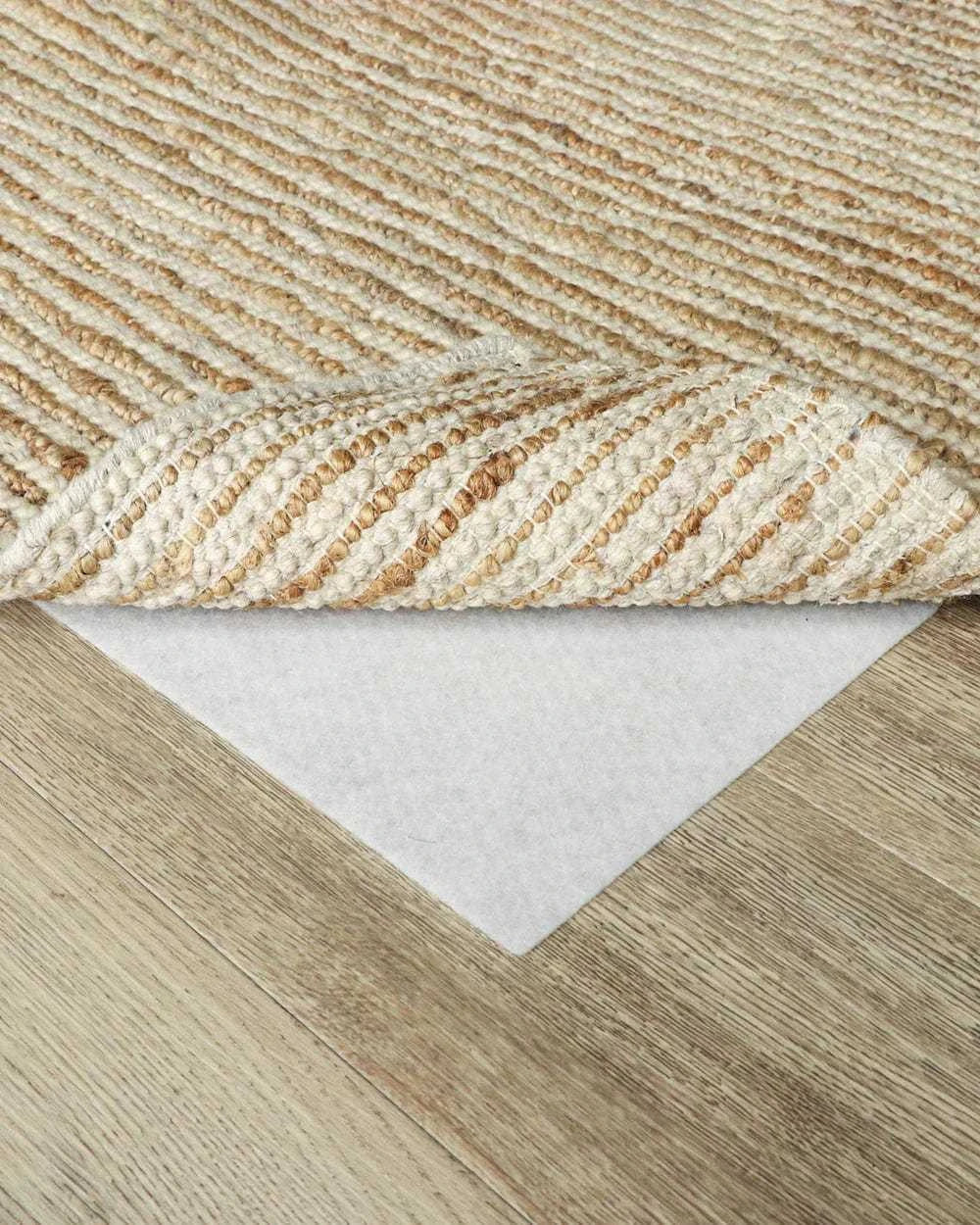
Yes — the simple answer is always yes. An underlay stops the rug slipping on hard floors, adds softness underfoot, and helps prevent colour transferring onto your flooring. Shop underlays here.
For fibre-by-fibre care across Baya, Weave, GlobeWest & Tribe Home, read our full rug care & cleaning guide.
Weave — free · Baya — $50 capped · Tribe Home — calculated at checkout.
